

Special Closing Day
To all our beloved friends and customers, we will be taking annual leave for one week starting the week commencing April 29th and reopens for business as usual on Tuesday May 7th. We would like to thank everyone and appreciate your continued support and being part of us, Team Corarima. Corarima LTD Photo by - Magan Taylor

Opening Hours
To all our beloved friends and customers, we have made few adjustment to our opening hours on the week days. Tuesday - Friday 12 Noon - 2:00 PM and 5:00 PM - 9:00 PM. Saturday remain the same 12:00 Noon - 9:00 PM. Looking forward to see you. Corarima LTD
Bring Your Own Drink
It is our pleasure, starting from Monday 8th October, we are allowing to bring your own drink (bottle of wine or two) if booked in advance. There will be £1.50/bottle of wine charge for corkage.
Special Offer
We are pleased to announce that we have made 10% discount throughout our entire menu for the next two weeks. Keep checking back every week to see our special dishes and offers too.

We’re open!
We are pleased and excited to announce that our delicious, nutritious and homemade Abyssinian cuisine made from ancient ingredients is open. Come and join us either to pick up your lunch box or dinning in a relaxed environment from 12:00 noon to 9:00 pm. We are pleased also to announce that we have made 25% discount throughout our entire menu for the next

COFFEE
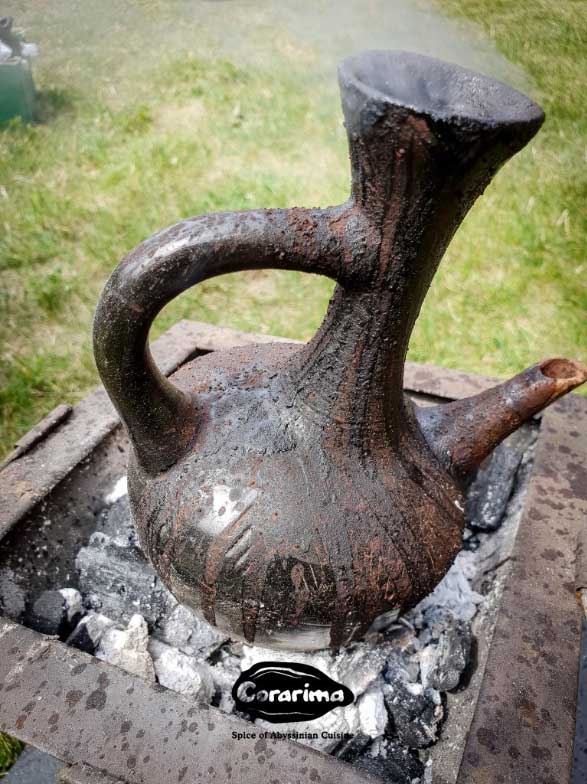
Its origins date back to about 1,000 BC in the highlands of the Kingdom of Kefa, which is present-day Ethiopia. In Kefa, the Oromo tribe ate the bean, crushed it and mixed it with fat to make spheres the size of ping-pong balls. The spheres were consumed for the same reason that coffee is consumed today, as a stimulant. The plant

SPICE
Berbere (Amharic: በርበሬ bärbäre, Tigrinya: በርበረ bärbärä) is a spice mixture whose constituent elements usually include chili peppers, garlic, ginger, basil, corarima, rue, ajwain or radhuni, nigella, and fenugreek. It is a key ingredient in the cuisines of Abyssinia. Berbere sometimes encompasses herbs and spices that are less well known internationally. The latter include both cultivated plants and those that grow

NUTRITIONAL BENEFITS
A few years ago, the US National Research Council declared that teff had the potential to ‘boost nutrition’, in addition to supporting ‘sustainable landcare’. So what is it about this grain that offers such great health benefits? Quite simply, teff is a true ‘super-food’. It contains calcium, iron and a multitude of other essential minerals, which all combine to help promote

Teff
Teff is truly an ancient grain. It is believed that it was grown by the people of Abyssinia (Eritrea and Ethiopia) over 6000 years ago, and they continue to eat it to this day as a vital part of their diet. In the 21st century, the western world is slowly catching on to the numerous health benefits of teff, though it’s
Our Cuisine
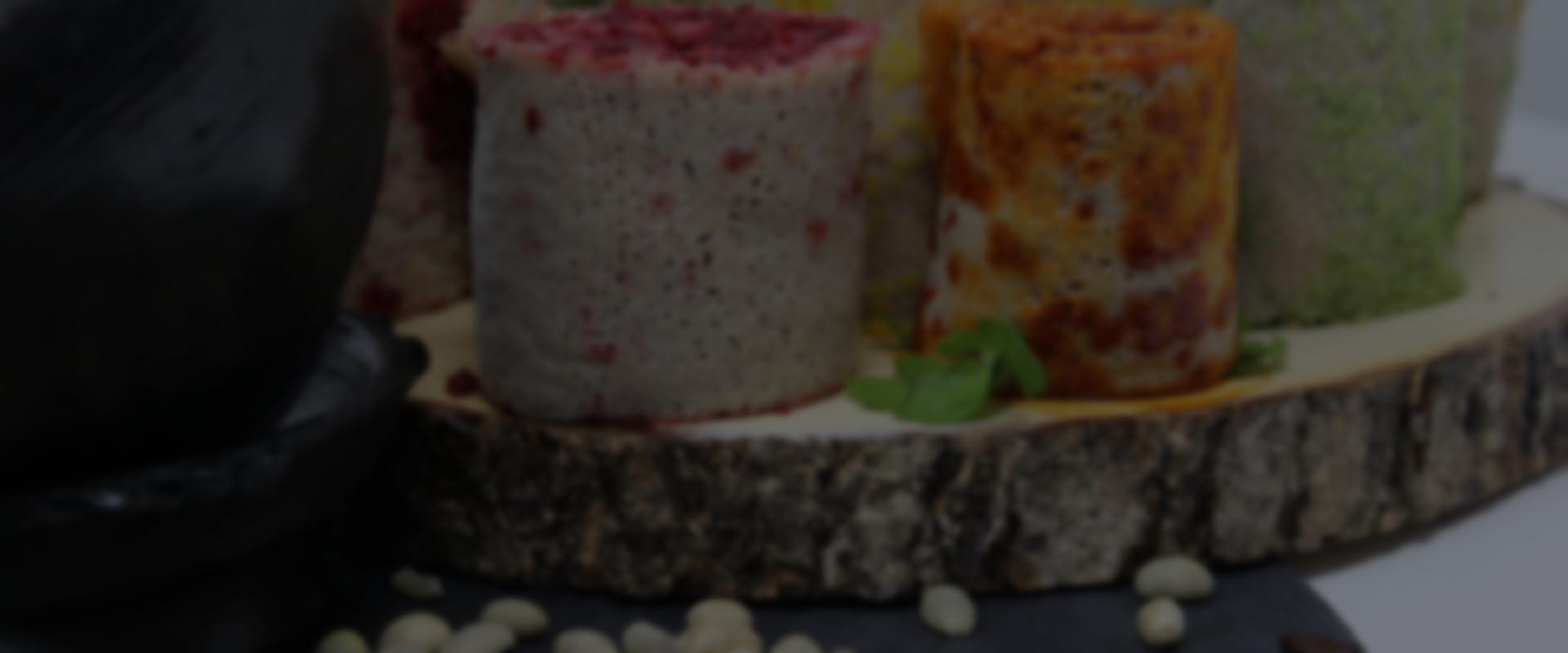
Injera with Wot/Tsebhi (Stew) is one of the main traditional foods in Abyssinian cuisine. Injera is leavened pancake made with sourdough of Teff flour, hence the tangy flavour. Tsebhi is mainly prepared with variety of vegetarian (vegan) dishes as well as beef, chicken, mutton. Eating involves tearing off pieces of injera and wrapping it around portions of tsebhi to form